How To Use Sunscreen Correctly?
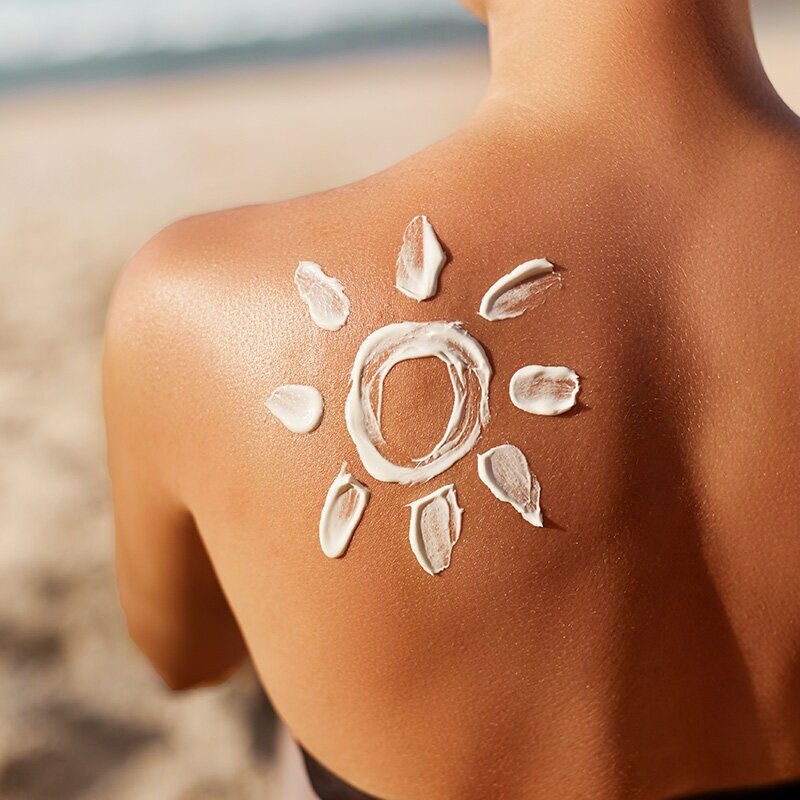
Choose the Right Sunscreen
Broad-spectrum Protection: Choose a sunscreen that offers broad-spectrum protection, meaning it shields you from both UVA (causes aging) and UVB (causes burning) rays. SPF 30 or Higher: For daily use, opt for an SPF 30 sunscreen. For extended sun exposure (e.g., outdoor activities), consider SPF 50 or higher. Water Resistance: If you'll be swimming or sweating, choose a water-resistant sunscreen. However, remember it’s not waterproof, and reapplication is necessary after swimming or sweating. Skin Type: Select a formula suited for your skin type (e.g., oil-free for oily skin, moisturizing for dry skin, or mineral-based for sensitive skin).Apply Sunscreen 15-30 Minutes Before Sun Exposure
Sunscreen needs time to absorb and bind to the skin, so apply it at least 15-30 minutes before going out into the sun for it to be effective. This ensures the sunscreen forms a protective layer and can start working when you're exposed to the sun.Apply the Right Amount of Sunscreen
Amount to Use: The recommended amount is about 1 ounce (a shot glass full) to cover the entire body. For the face, you should use about a nickel-sized amount or 1/4 to 1/2 teaspoon. Don’t skimp on the amount — using too little sunscreen can significantly reduce the level of protection. Be thorough and ensure every exposed area is covered.Apply to All Exposed Areas
Face: Apply sunscreen to the entire face, including the ears, the back of the neck, and any other exposed areas. Ears and Neck: Don’t forget areas like the ears, neck, and scalp (especially if you have thin or no hair). These areas are often overlooked and are susceptible to sunburn. Hands, Feet, and Lips: Don't forget your hands, feet, and lips. You can use a lip balm with SPF to protect your lips from sun damage.Reapply Every Two Hours
Reapplication is Key: Sunscreen wears off after a few hours of sun exposure, especially if you are sweating or swimming. Reapply every 2 hours to maintain effective protection. After Water Exposure: If you’re swimming or sweating, reapply sunscreen immediately after drying off or after 80 minutes, whichever comes first, even if it’s labeled as water-resistant.Don’t Forget the Rest of Your Body
Other Exposed Skin: Ensure that you also apply sunscreen to areas like your shoulders, arms, legs, and back, which are often exposed during outdoor activities. Clothing: If you're wearing minimal clothing, such as a bikini or shorts, apply sunscreen generously to areas that are exposed to direct sunlight.Consider Additional Protection
Wear Protective Clothing: Sunscreen is just one layer of protection. Whenever possible, wear protective clothing, such as long sleeves, hats, or sunglasses, to reduce direct sun exposure. Seek Shade: Avoid prolonged sun exposure, especially between 10 a.m. and 4 p.m., when UV radiation is at its peak.Use Sunscreen Every Day
Daily Protection: Sunscreen should be part of your daily skincare routine, even on cloudy days or when staying indoors, since UVA rays can penetrate windows. SPF in Makeup: While some makeup products contain SPF, it's unlikely that they provide enough protection on their own. It’s best to apply sunscreen underneath makeup.Be Mindful of Expiration Dates
Check Expiry Dates: Sunscreen can lose its effectiveness over time, so always check the expiration date before use. An expired sunscreen may not protect your skin as effectively.Don’t Rely on Sunscreen Alone
Multiple Layers of Protection: While sunscreen is crucial, it should be part of an overall sun protection strategy. Wear a wide-brimmed hat, sunglasses, and UPF-rated clothing for added protection from the sun.Seek Shade: Especially during peak sun hours, seek shade whenever possible.
Summary of Proper Sunscreen Use:
1.Apply sunscreen 15–30 minutes before sun exposure.
2.Use a generous amount — about 1 ounce for the body and 1/4–1/2 teaspoon for the face.
3.Reapply every 2 hours or more frequently if swimming or sweating.
4.Apply sunscreen to all exposed areas, including the ears, neck, and hands.
5.Don’t rely on sunscreen alone—wear protective clothing, seek shade, and avoid sun exposure during peak hours.
6.By using sunscreen correctly and consistently, you can help prevent sunburn, premature aging, and reduce the risk of skin cancer.