The skincare diariess

Skincare serves several important purposes that contribute to both aesthetic and health benefits. Here are some key uses: Hydration: Moisturizers help maintain skin moisture, preventing dryness and flakiness. Protection: Sunscreens protect against UV rays, reducing the risk of skin cancer and premature aging.
Cleansing: Cleansers remove dirt, oil, and impurities, helping to prevent breakouts and promote clear skin.
Anti-aging: Products with antioxidants, retinoids, and peptides can help reduce the appearance of fine lines and wrinkles.
Healing: Certain ingredients like aloe vera and vitamin E can promote healing of minor cuts, burns, and irritations. Exfoliation: Exfoliants help remove dead skin cells, improving texture and promoting cell turnover.
Even skin tone: Products containing ingredients like niacinamide and vitamin C can help brighten the skin and reduce dark spots.
Acne treatment: Targeted treatments can help manage and reduce acne breakouts.
Soothing: Ingredients like chamomile and calendula can calm irritated or sensitive skin.
Self-care: Skincare routines can promote relaxation and well-being, serving as a form of self-care.

Type of skins

Normal Skin

This skin is neither too dry nor too oily. It has regular texture, no imperfections and a clean, soft appearance, and does not need special care.

Sensitive Skin

Sensitive skin is more prone to react to stimuli to which normal skin has no reaction. It is a fragile skin, usually accompanied by feelings of discomfort, such as heat, tightness, redness or itching. It is a delicate skin that needs more care to fight dryness, roughness and its usual appearance. Sometimes, it is referred to as irritated skin instead of sensitive, but these terms are synonymous and there are no dermatological differences between them.

Dry Skin

In many cases, dry skin is caused by external factors such as the weather, low air humidity and immersion in hot water, and it is usually temporary. however, for some people it may occur more often and even be a lifelong condition. Since dry skin can crack leaving it more exposed to bacteria, although in general this is not serious, it may cause other skin disorders, such as eczema, or be more prone to infections if not properly managed.

Oily Skin

Oily skin has a porous, humid and bright appearance. It is caused by excessive fat production by sebaceous glands, and usually determined by genetic and/or hormonal causes. It is frequent in adolescents and young people under 30 years old, and usually related with the occurrence of acne.

Combination Skin

Based on its location, it presents characteristics of both dry and oily skin since the distribution of sebaceous and sweat glands is not homogeneous. The area with more oil is usually the T- zone (forehead, nose, and chin), while the skin on the cheeks is normal or dry.

Acne skin

Acne is a common skin condition that happens when hair follicles under the skin become clogged. Clogged pores cause acne. Teenagers and young adults most often get acne, but it can also occur during adulthood for many people. Treatment is available to clear acne from your skin and prevent scarring

The Crucial Role of Sunscreen in Preventing Skin Damage


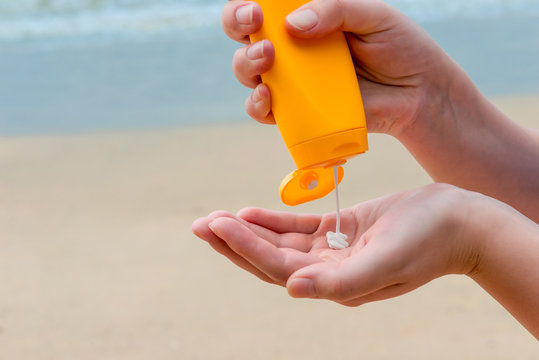
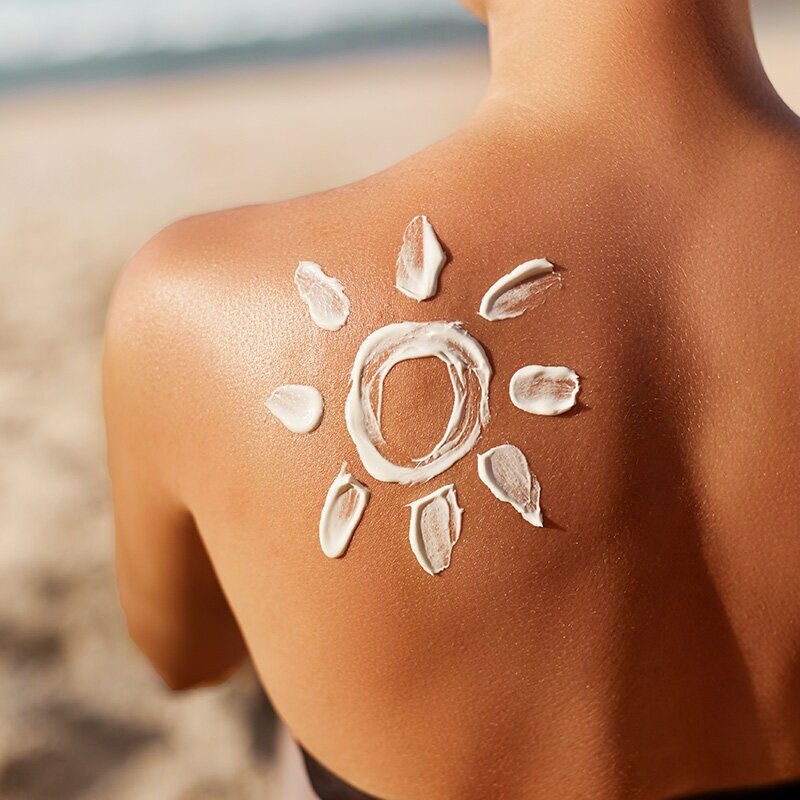
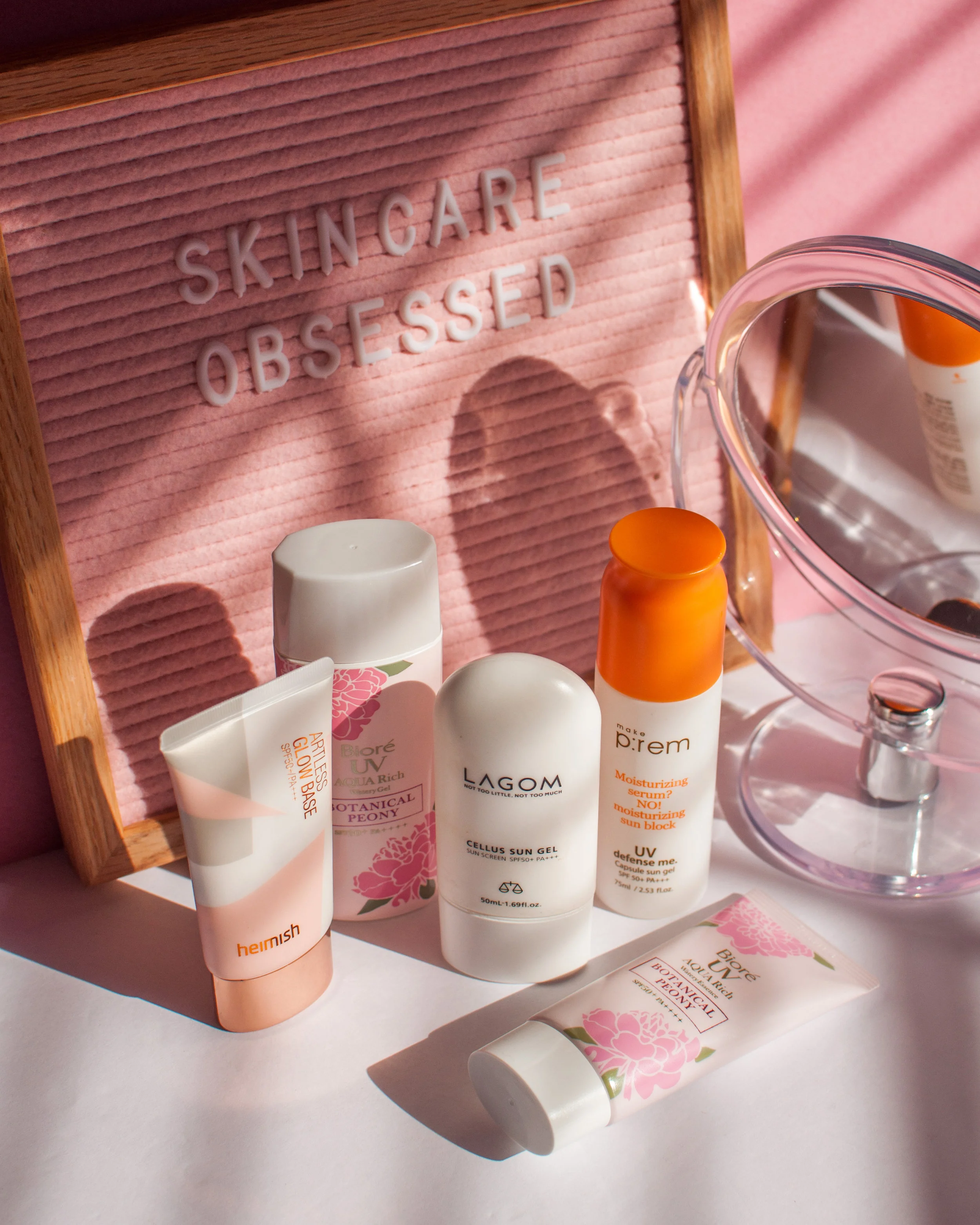
Sunscreen is essential for protecting the skin from harmful UV rays, which can cause premature aging, sunburns, and increase the risk of skin cancer. It acts as a barrier, preventing UVA and UVB rays from penetrating the skin. Consistent use helps maintain healthy, youthful skin by reducing the likelihood of pigmentation, wrinkles, and other forms of sun damage. Incorporating sunscreen into your daily routine is a simple yet effective step for long-term skin health.


what is SPF? decoding the Types of Spf Sunscreens

Read More

Identify Different Type Of Sunscreen And Choose the right one

Read More


Skin care by age

Neonate

mmersion in water seems superior to washing alone, and use of synthetic detergents or mild liquid baby cleansers seems comparable or superior to water alone

Children

Dermatologists normally recommend that children wash their skin with a mild cleanser, use moisturizing lotion as needed, and wear sunscreen every day

Adolescents

Adolescents may be influenced by social media marketing to buy expensive skin care products, which are often not appropriate for their age

Elderly

Skin ageing is associated with increased skin vulnerability,and the texture and colour of the skin can change over time. Although wrinkles occur naturally due to ageing, smoking can intensify the appearance of wrinkles. Sunspots, dryness, wrinkles, and melanomas can occur from UV exposure over time, whether it be through the sun or through tanning beds. Exposure to UV can make skin less elastic. Skin problems including pruritus are common in the elderly but are often inadequately addressed.A literature review of studies assessing the maintenance of skin integrity in the elderly found most studies to have low levels of evidence, but the review concluded that skin-cleansing with synthetic detergents or amphoteric surfactants induced less skin dryness than using soap and water.Moisturizers with humectants helped with skin dryness and skin barrier occlusive reduced skin injuries. When taking baths or showers, using warm water rather than hot water can aid with dryness.